
Damage Assessment: Physical Recovery May Take Longer Than Markets Expect
A ceasefire can calm prices quickly, but damaged oil, gas, LNG, petrochemical, and shipping systems recover on very different timelines.…
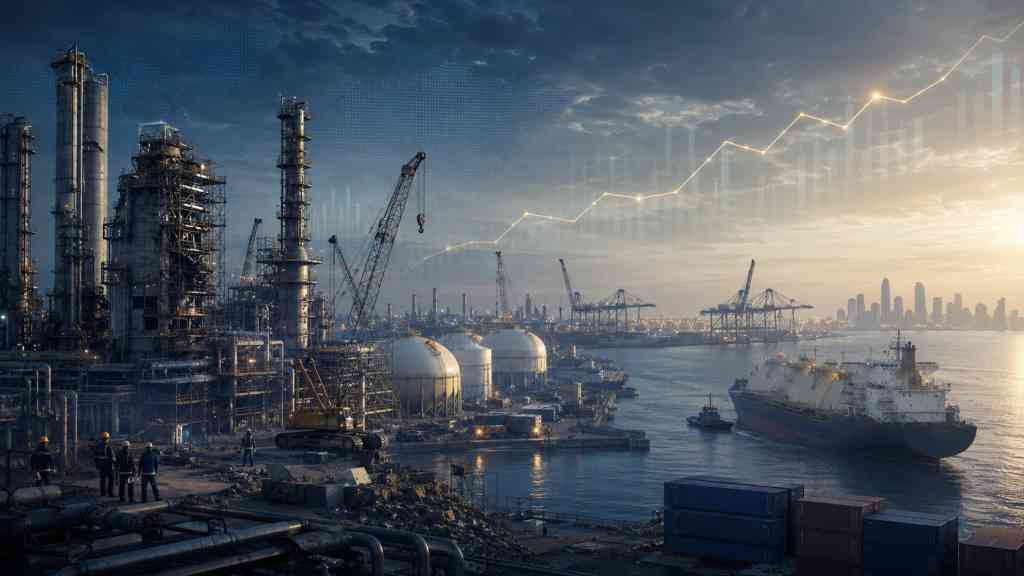
A ceasefire can calm prices quickly, but damaged oil, gas, LNG, petrochemical, and shipping systems recover on very different timelines.
The market has priced immediate relief after the ceasefire, but the physical normalization of energy infrastructure, shipping routes, and industrial systems is likely to take much longer.
Political relief is not the same as physical normalization
The ceasefire between the United States and Iran has reduced the immediate probability of a major escalation. Oil prices fell, equities rebounded, and part of the market began to price a return to normal. But physical systems do not recover at the speed of headlines. Reuters describes the current phase as a twilight zone in which the hottest military risk has eased, while damaged infrastructure, shipping disruption, insurance frictions, and operational caution continue to weigh on the real economy. Even under a durable ceasefire, global energy supply may remain below pre-war expectations for an extended period.
Oil and export routes may recover first
Oil exports are the part of the system most likely to show a partial recovery first, especially where the main constraint is transport and routing rather than deep structural damage. Reuters reported that Iraq could restore exports to pre-war levels within about a week if Hormuz were reliably open, which suggests that some upstream and export bottlenecks are reversible relatively quickly.
Working estimate:
- Partial normalization: 1–3 weeks
- More stable normalization: 1–3 months
LNG and gas infrastructure are slower
Gas and LNG look more difficult. Reuters reported that QatarEnergy had restarted part of its liquefaction capacity, but full normalization still depends on secure passage through Hormuz. Shell also said repairs at its Pearl gas facility in Qatar could take up to a year, while earlier reporting suggested that some LNG-related disruption could affect supply for much longer in commercial terms.
Working estimate:
- Partial restart: 2–6 weeks
- Major return of damaged LNG systems: 3–12 months
- Heavily affected individual assets: up to 1 year or longer
Petrochemicals may face a medium-term lag
Petrochemical recovery is likely to be slower than simple price charts imply. The sector depends not only on repaired facilities, but also on feedstock flows, labor, shipping reliability, and restored industrial coordination. Reuters and AP have both pointed to serious damage across regional petrochemical and energy infrastructure, while new friction around Hormuz tolls and insurance may keep input costs structurally elevated.
Working estimate:
- Partial normalization: 1–3 months
- Broader recovery: 3–9 months
Shipping and ports may normalize only gradually
Shipping may prove to be the most underappreciated source of lag. Reuters reported that Hapag-Lloyd expects normalization to take 6–8 weeks even if the situation stabilizes, while major operators still warn that full maritime certainty has not returned. Thousands of vessels were disrupted during the crisis, and transport confidence tends to return more slowly than political declarations.
Working estimate:
- Initial operational easing: 1–2 weeks
- Visible network normalization: 6–8 weeks
- Full reliability in routing, insurance, and scheduling: 2–4 months
The deeper economy may take much longer
Reuters describes Iran’s economy as shattered, with factories, power systems, and transport nodes under heavy stress. That matters because energy recovery alone is not enough. Industrial systems need functioning labor markets, logistics, power, and working capital. Those conditions usually take much longer to rebuild than export headlines suggest.
Working estimate:
- Local repairs: weeks
- Meaningful economic recovery: months
- Full reorganization of damaged industrial systems: 6–18 months
Bottom line
The likely market mistake is not believing in a ceasefire. The likely market mistake is assuming that a ceasefire quickly becomes physical normality. The more realistic path is a two-stage sequence: first relief, then a slower realization that repair timelines, transport friction, and delayed industrial recovery still matter.