Why Europe Moves Carefully in Hormuz
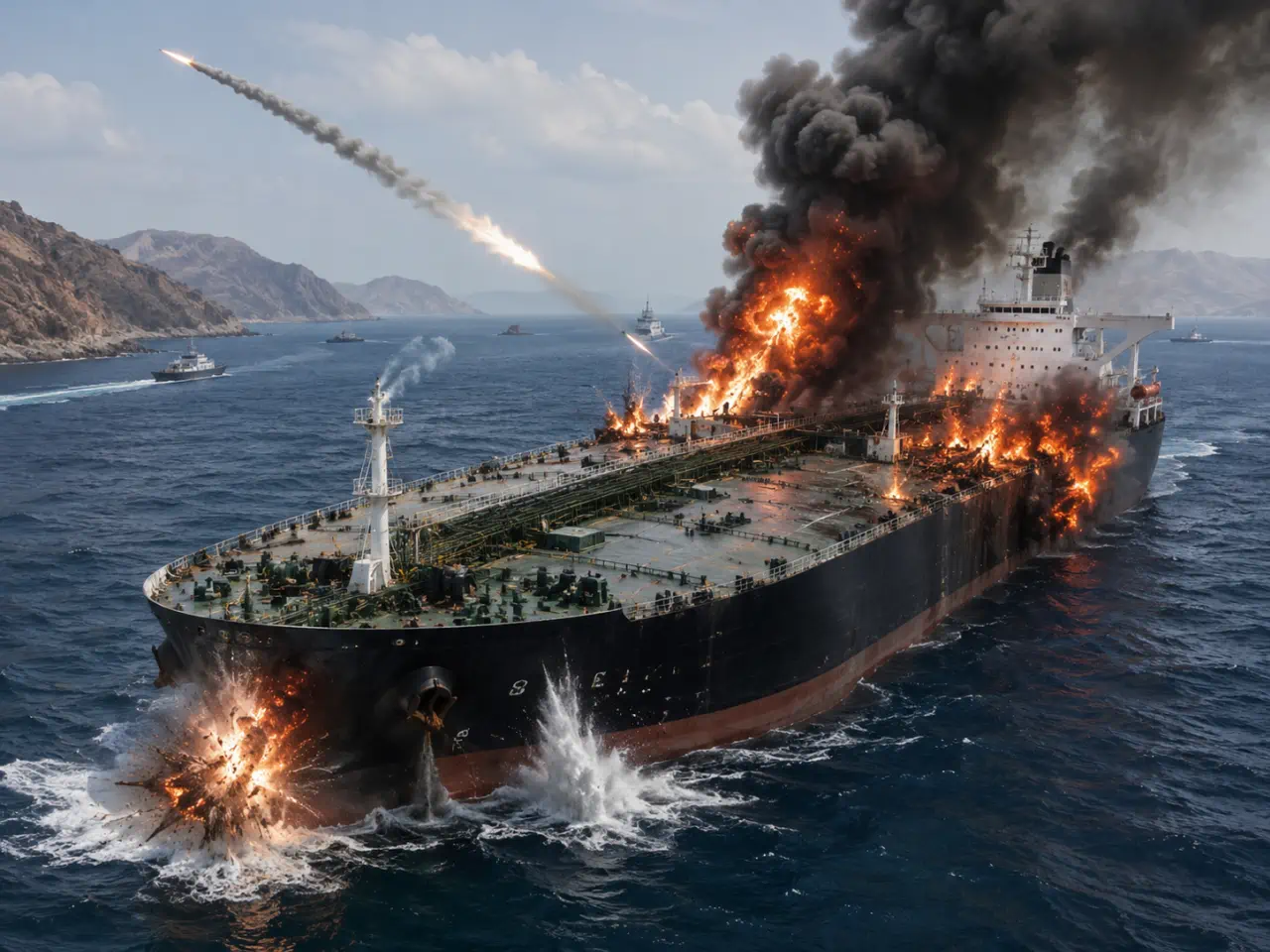
Europe’s restraint in the Hormuz crisis may look weak from Washington, but it reflects a mix of strategic caution, legal constraints, energy dependence, and limited confidence in U.S. leadership.
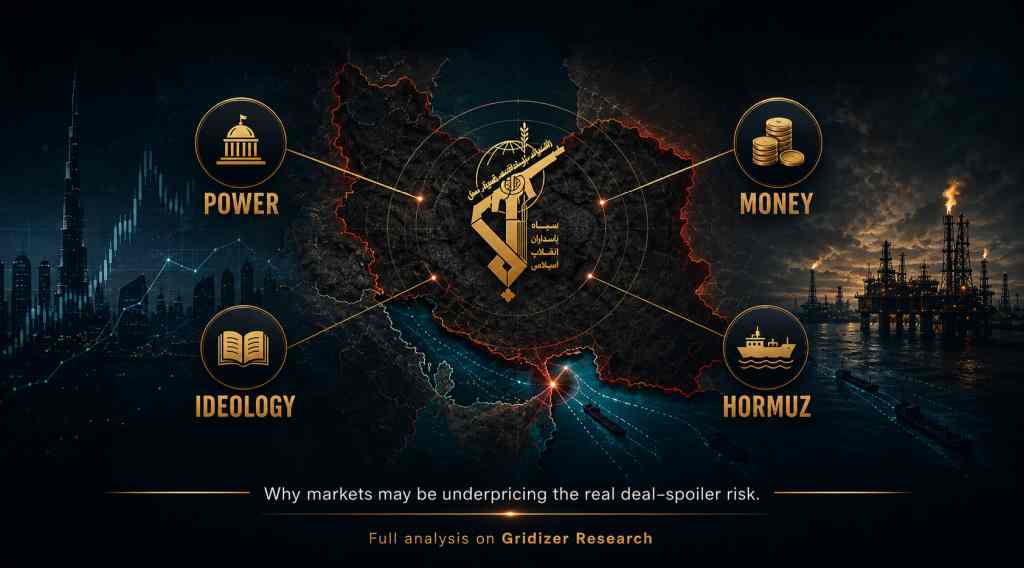
Trump may have reduced immediate war risk, but the domestic political cost of energy stress, strategic inconsistency, and voter fatigue could still rise into the midterms. The ceasefire may help Trump avoid a near-term military overreach, but polling, donor dynamics, and congressional math suggest the political danger has not disappeared. The ceasefire may have reduced … Read more
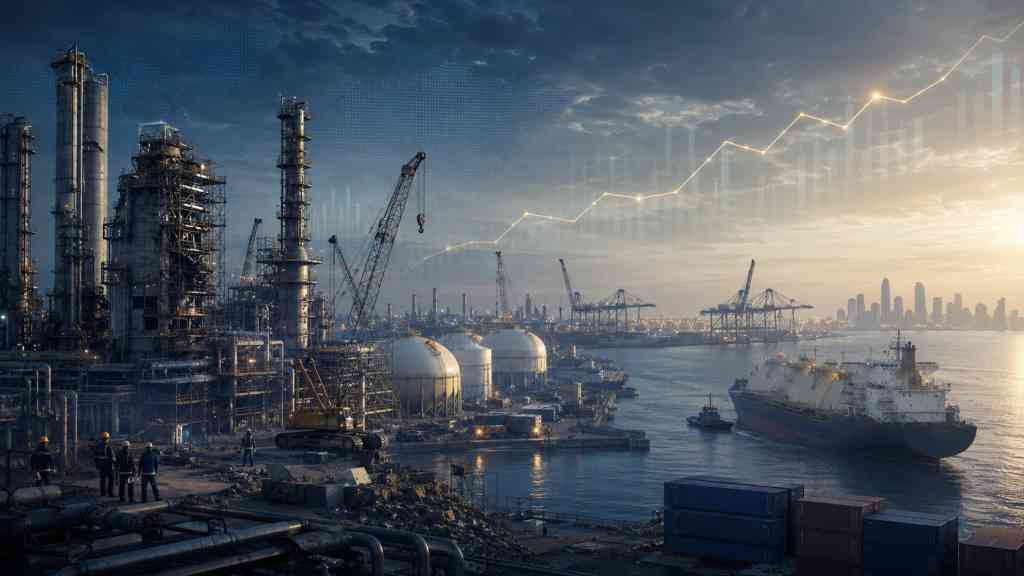
A ceasefire can calm prices quickly, but damaged oil, gas, LNG, petrochemical, and shipping systems recover on very different timelines. The market has priced immediate relief after the ceasefire, but the physical normalization of energy infrastructure, shipping routes, and industrial systems is likely to take much longer. Political relief is not the same as physical … Read more
The two-week ceasefire between the United States and Iran has quickly changed market psychology. Oil fell, equities rebounded, and investors began to price immediate relief from further escalation.
A shipping route can reopen politically long before it normalizes economically. Even if vessels are allowed to pass again, shipowners, insurers, traders, and buyers may still behave cautiously.
The current ceasefire lowers the risk of an immediate US strike, but it does not solve the underlying conflict. Iran still wants broader guarantees, compensation, and a more durable arrangement.