The Capital That Still Has to Earn

Chapter 4 explains why AI utility, provider profitability and equity returns can diverge sharply — and how that divergence can amplify a confidence recession.

Chapter 4 explains why AI utility, provider profitability and equity returns can diverge sharply — and how that divergence can amplify a confidence recession.
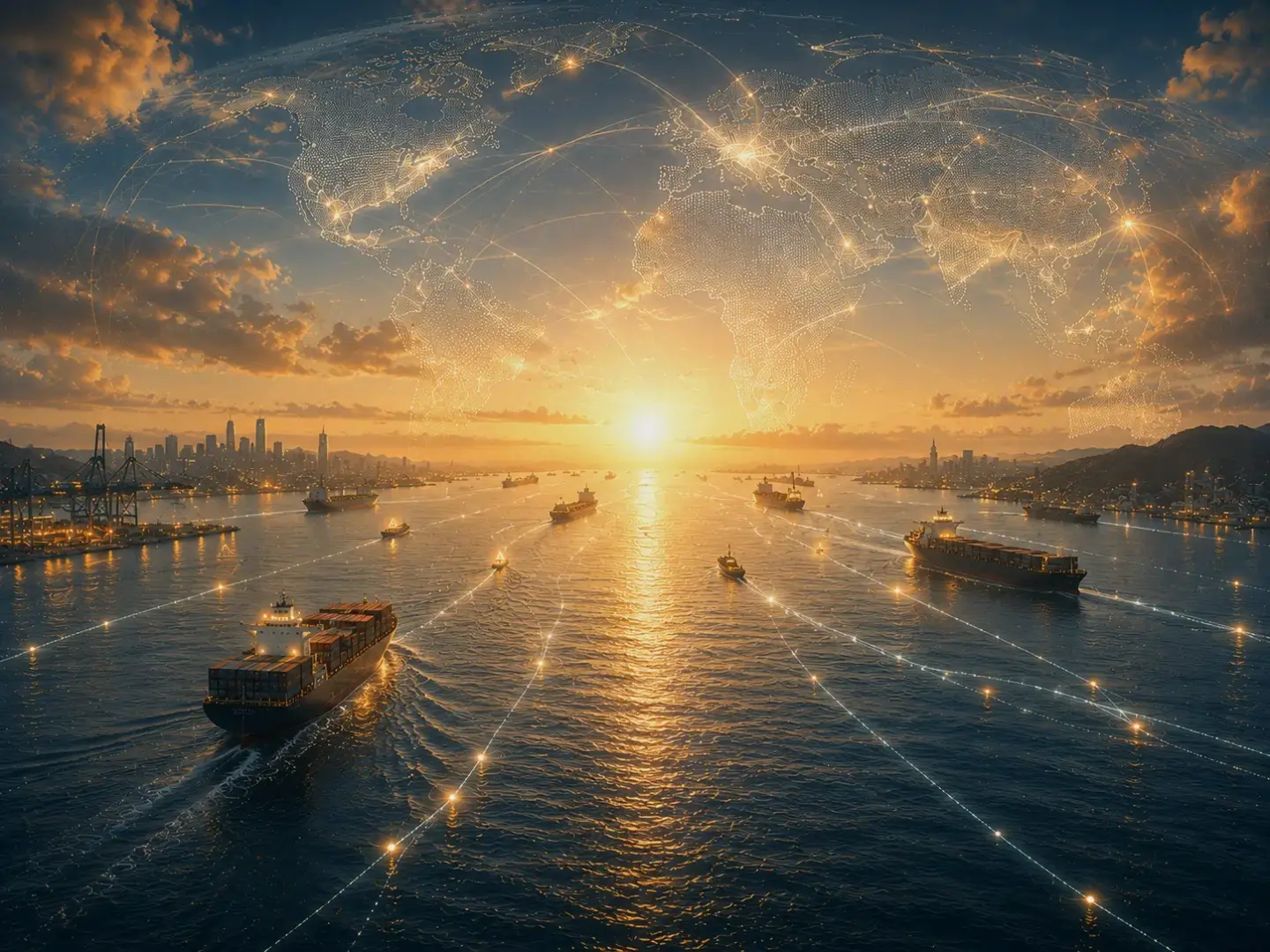
A confidence recession begins not with one bang but with thousands of cautious decisions that can combine into a global downturn.

A sea lane can remain geographically open while becoming commercially close to unusable. Chapter 1 shows how fear becomes economic reality through insurance, finance and supply chains.
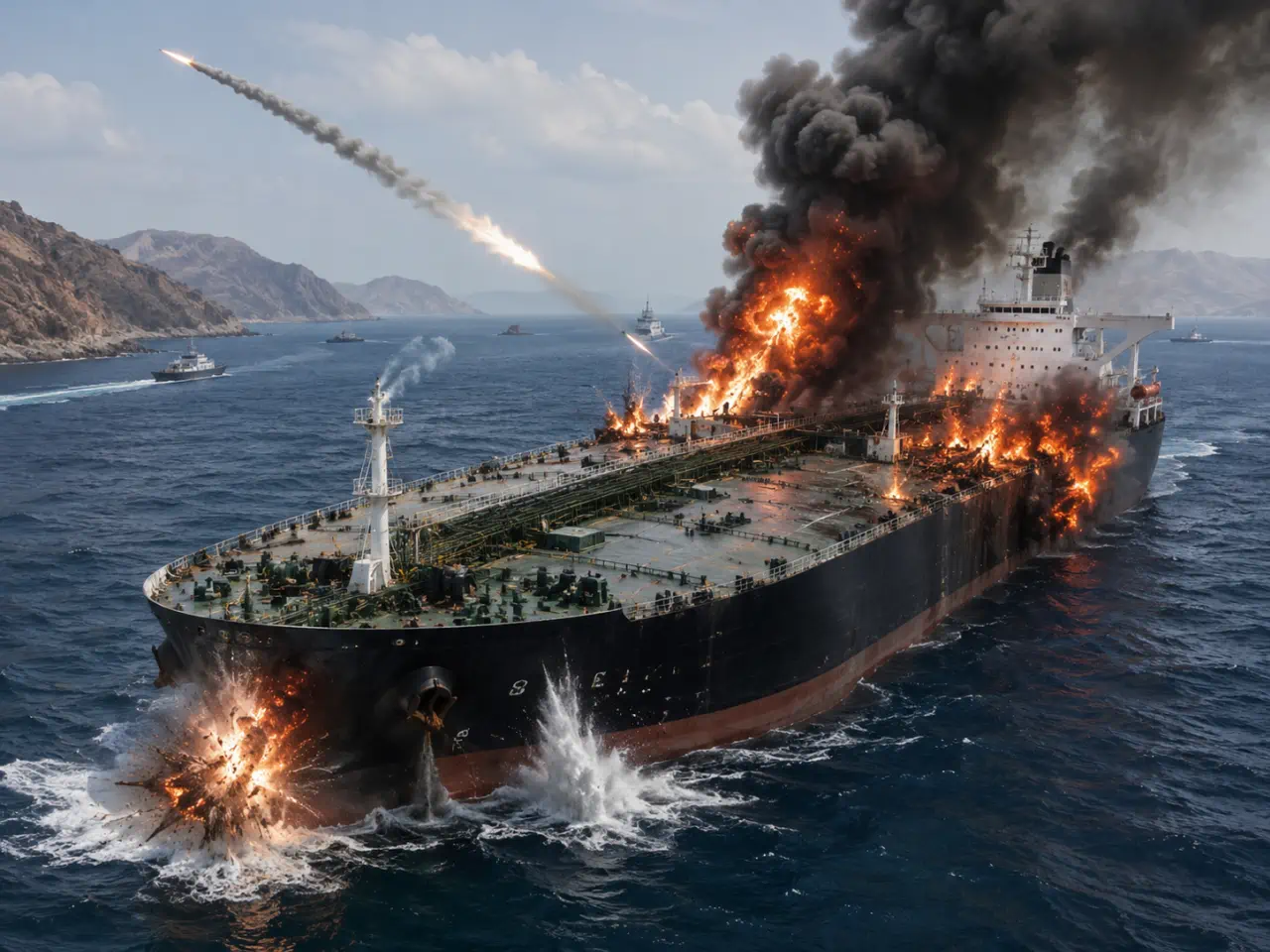
A tanker strike at Bab al-Mandab has turned a threatened second chokepoint into an active front. The world now faces a choice: finance an enforceable maritime order or keep paying a coercion tax through energy, freight, inflation and dependency.

The direct 20% cargo charge was withdrawn, but Washington still seeks compensation for protecting Hormuz. The Strait is becoming a contested security and compensation regime.

The New Geography of Energy Security The Strait of Hormuz is often discussed as an oil chokepoint. That is correct, but incomplete. The current crisis shows that the oil price alone is no longer a reliable gauge of real energy stress. Transit flows, insurance costs, tanker availability, LNG exposure, refinery compatibility, oil product markets and … Read more
A shipping route can reopen politically long before it normalizes economically. Even if vessels are allowed to pass again, shipowners, insurers, traders, and buyers may still behave cautiously.