Who Pays for the Electric Century — and Who Owns It?

The electric build-out needs vast capital. Ownership and loss allocation will decide who benefits and whether society keeps investing.

The electric build-out needs vast capital. Ownership and loss allocation will decide who benefits and whether society keeps investing.

Electric power forms around nodes that combine generation, grids, capital, skills, water and stability. Resources alone are not sovereignty.

AI, quantum computing, biotech, robotics and abundant energy may converge into a new invention system—with promise and dangerous power.
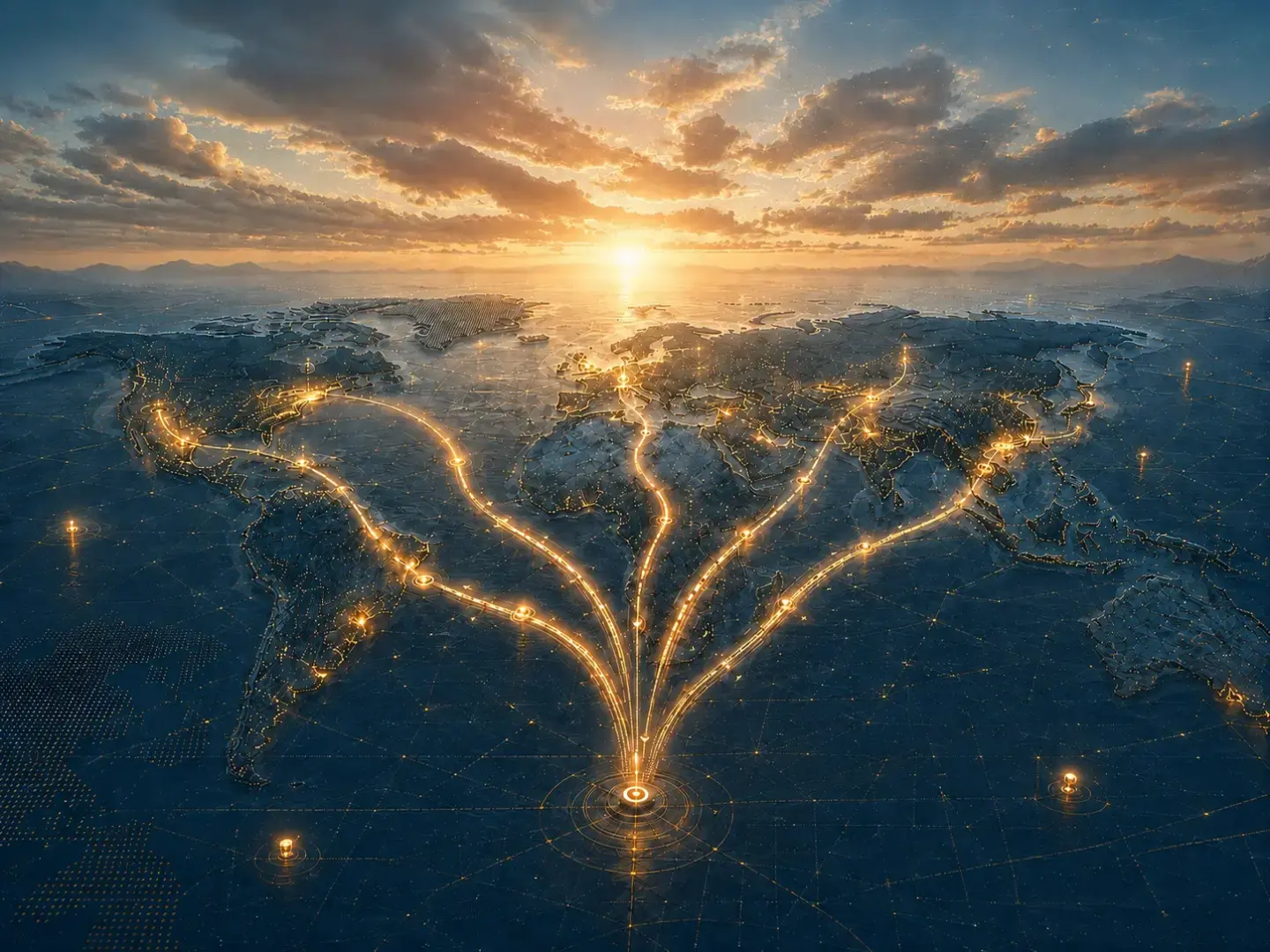
Chapter 7 ranks the five most likely scenarios through which regional and sectoral stress could turn into a broader world recession.
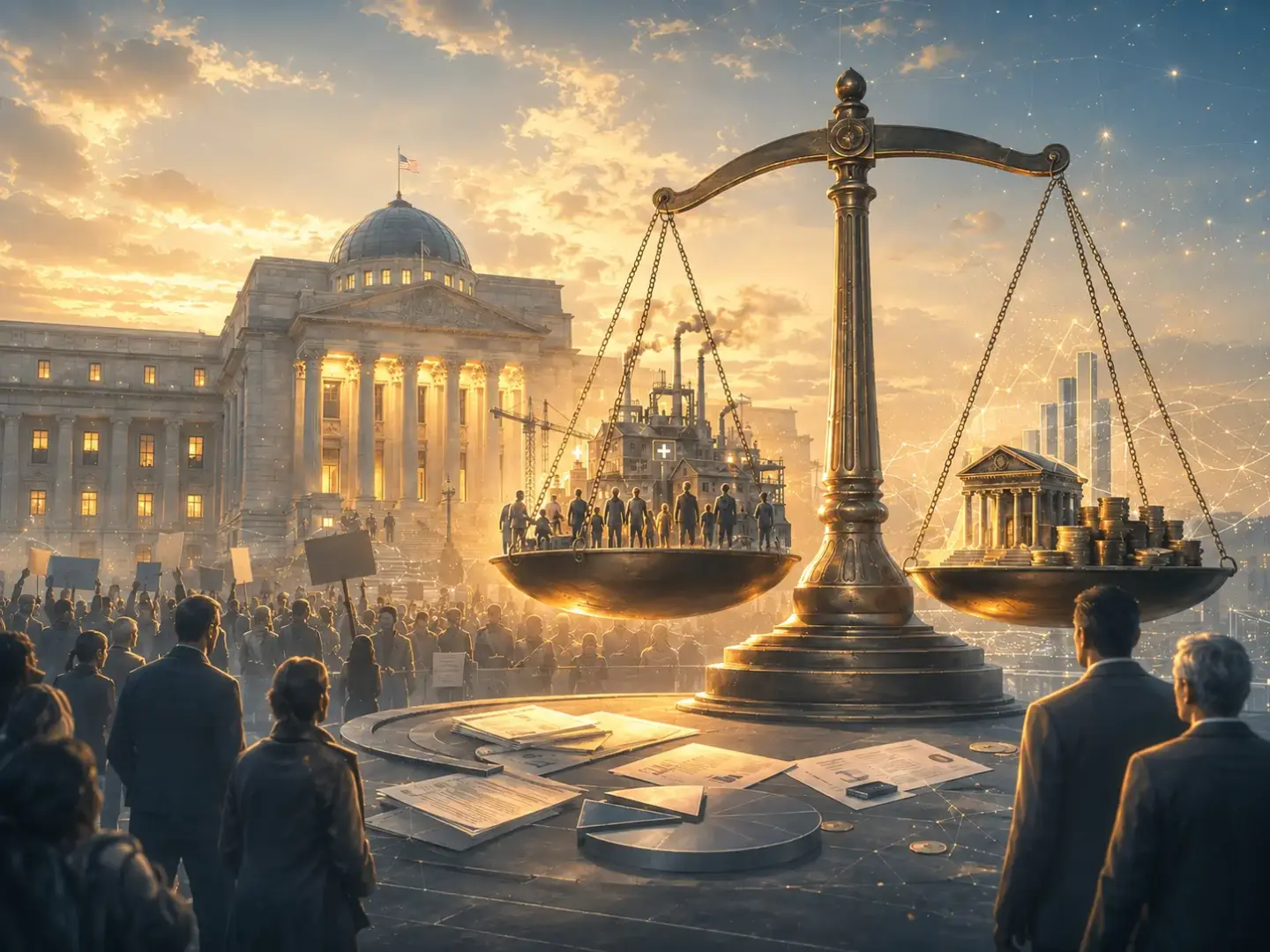
Chapter 6 shows how welfare demands, defence, debt service and transformation costs collide with a narrowing revenue base.

Chapter 4 explains why AI utility, provider profitability and equity returns can diverge sharply — and how that divergence can amplify a confidence recession.

Chapter 2 shows why Europe’s real demand has not yet collapsed, even as confidence, credit and industry are already weakening.
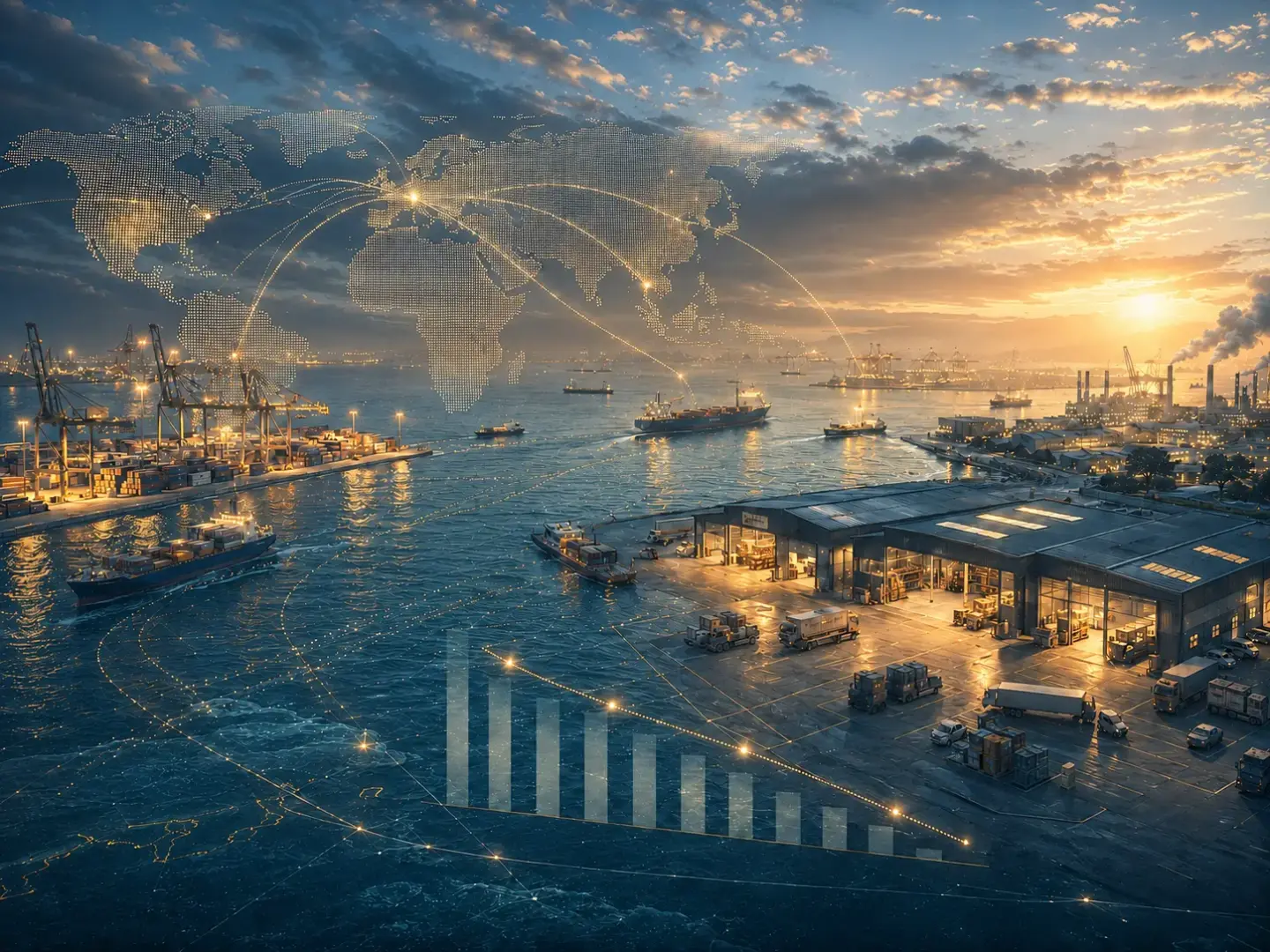
Chapter 3 shows how Europe’s weaker purchasing appetite can turn into a broader order recession through Asian export chains, biflation and consumption psychology.
A confidence recession begins not with one bang but with thousands of cautious decisions that can combine into a global downturn.

A sea lane can remain geographically open while becoming commercially close to unusable. Chapter 1 shows how fear becomes economic reality through insurance, finance and supply chains.