Who Wins? Who Loses?

Who Wins? Who Loses?

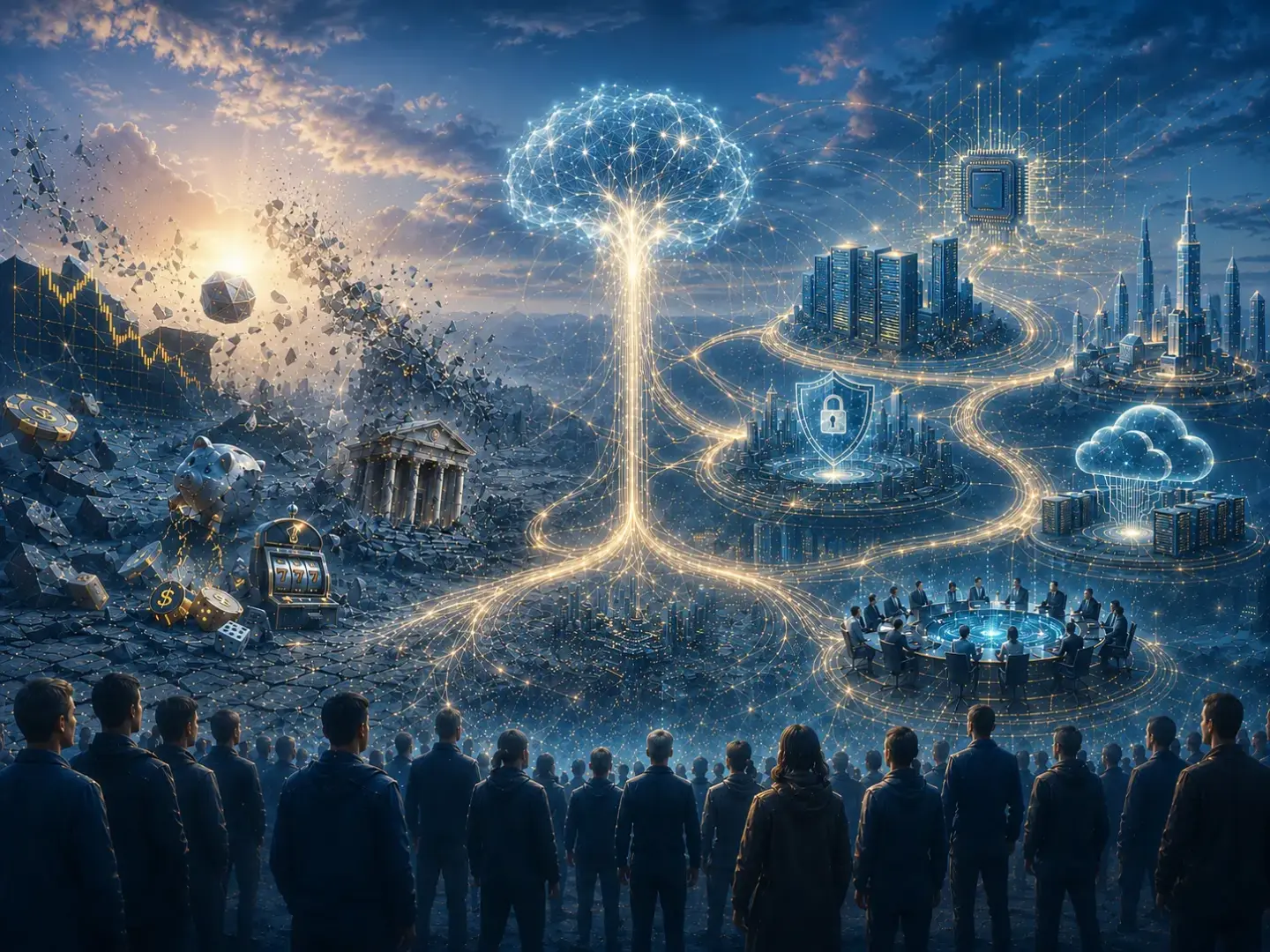
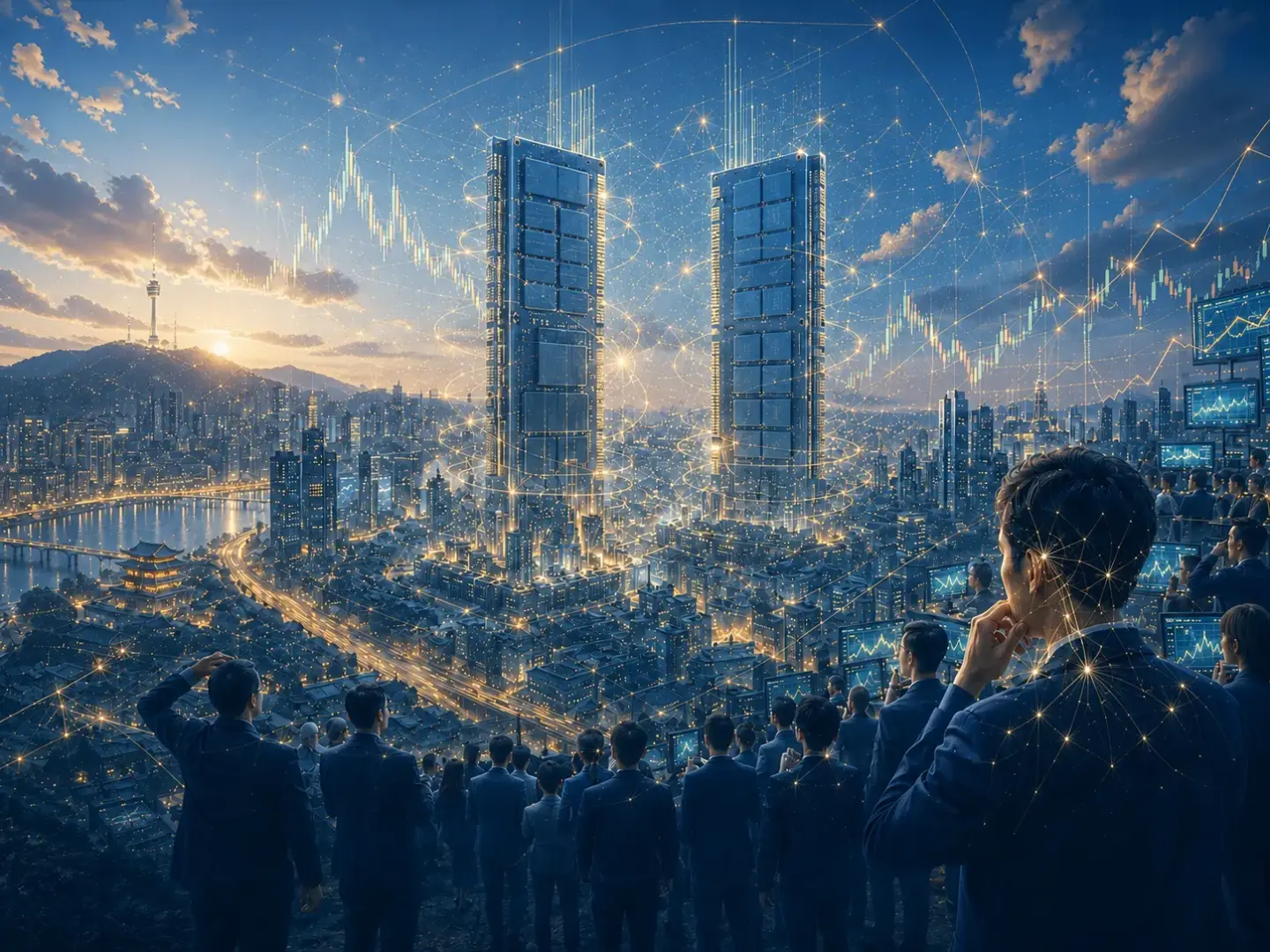
AI can win as a technology while many AI companies, investors and users still lose. Chapter 9 maps the durable winners, the fragile profit pools and the conditions under which demand keeps rising even as valuations and margins fall.

The Leaflet That Never Came

The Leaflet That Never Came

AI’s most important side effects do not look like defects. They look like convenience, affirmation and saved time. Chapter 8 examines cognitive offloading, sycophancy, emotional attachment and the risk that helpful assistance becomes dependence.

The Next AI Moat May Be a Queue

The Next AI Moat May Be a Queue

Frontier AI needs credible safety testing. But the institutions that review models can also become barriers to entry. Chapter 7 examines how regulation, scarce evaluators and approval queues may protect both society and the largest AI companies.

GPUs Follow Electricity

GPUs Follow Electricity

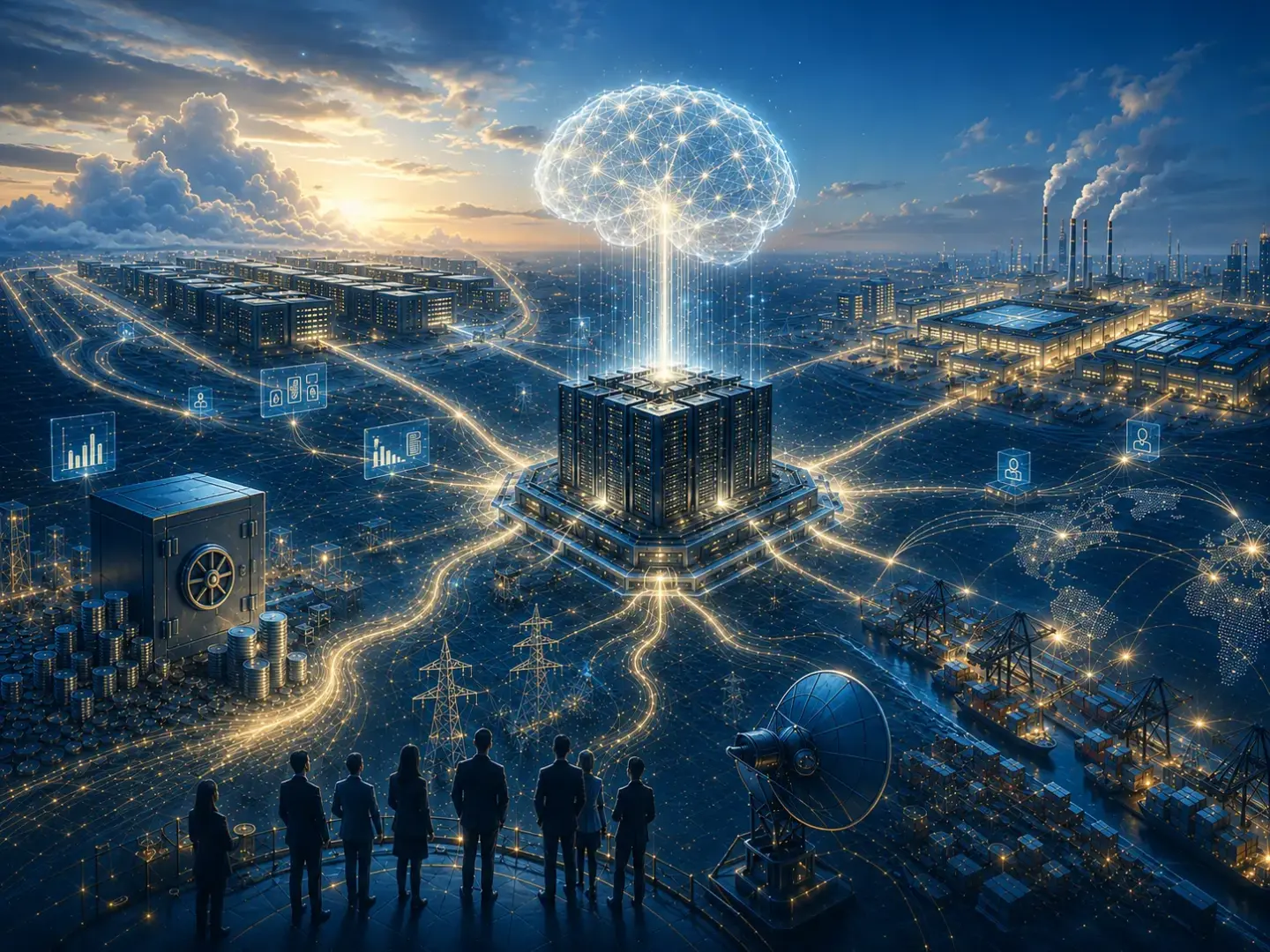
AI looks like software but scales like heavy industry. Chapter 6 follows the physical chain from rack-level power density to grids, cooling, gas, nuclear energy and the race for speed-to-power.

Your Data Is the Down Payment

Your Data Is the Down Payment

AI becomes more useful as it gains access to code, documents, memories and workflows. Chapter 5 shows how that convenience creates data exposure, switching costs and a new enterprise trust boundary.

Intelligence Gets a Meter

AI Intelligence Gets A Meter

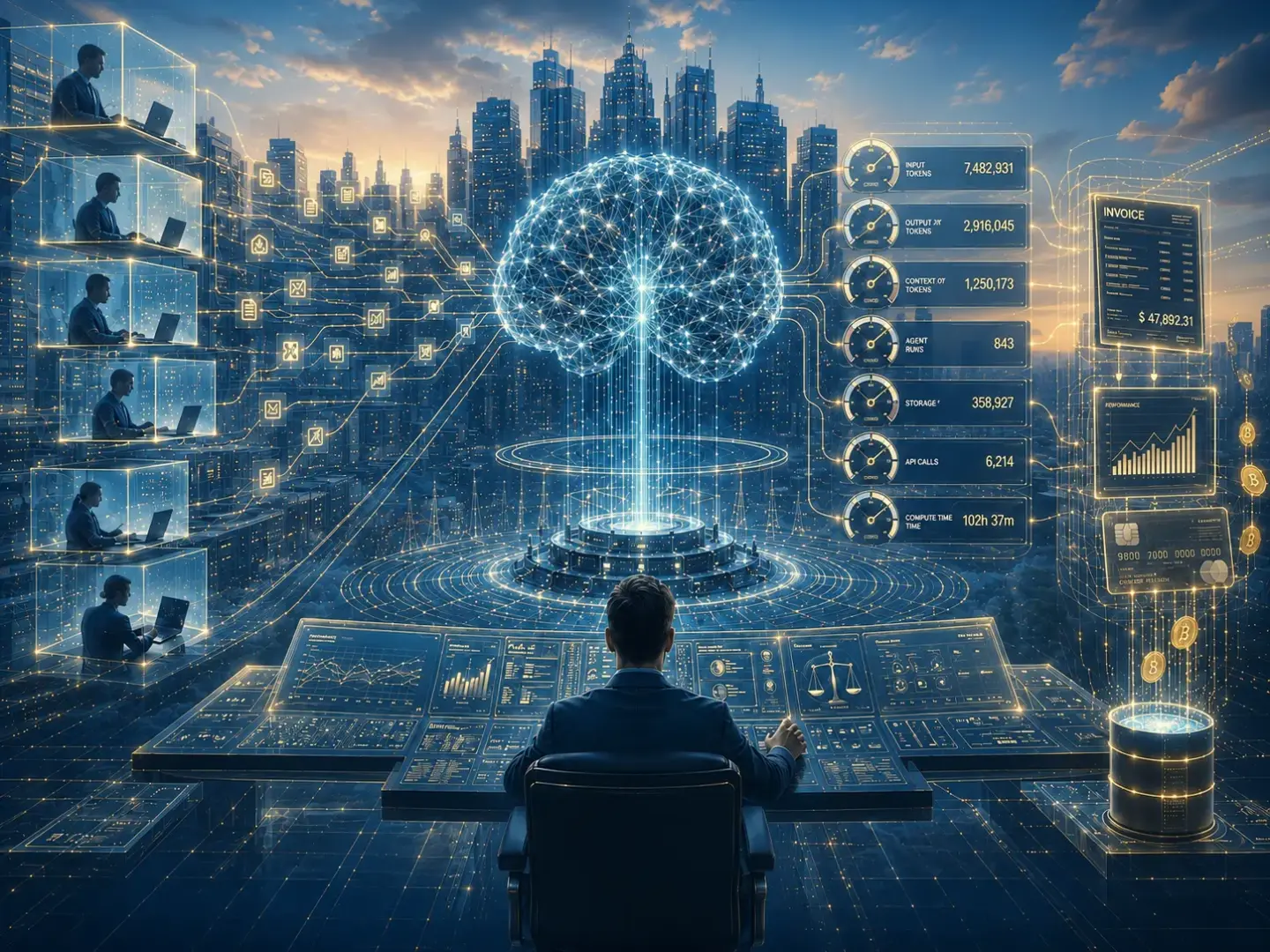
AI felt like a subscription. Agents turn it into a utility bill. Chapter 4 follows the shift from unlimited experimentation to cost per completed task—and shows why routing, caching and local inference may reshape the winners of the AI boom.

AI Will Win. But Who Loses?

AI Winners And Losers

The most dangerous AI scenario may be its success. This dossier traces the chain from chips, power and capital to data, regulation and human dependence—and shows why a triumphant technology does not automatically make its providers, investors or users winners.

The New AI Control Layer

The New AI Control Layer

Google organized the internet. Social networks organized attention. AI is beginning to organize decisions. Chapter 1 traces the shift from information tool to action layer—and the power that comes with controlling the interface.

The Power Behind the Model

AI-The Power Behind

The labs build the models. The hyperscalers own much of the cloud, power, distribution and enterprise access behind them. Chapter 2 maps the struggle between OpenAI and Anthropic—and Microsoft, Google and Amazon—for control of the full AI stack.